Expert Advice on Packing and Moving Furniture Safely


Preparing Your Furniture for the Move
Moving can be a challenging process, especially when it comes to handling furniture. Proper preparation is key to ensuring your items arrive safely at their new destination. Begin by taking inventory of all the furniture pieces you plan to move. This will help you assess the materials and tools you need for packing.
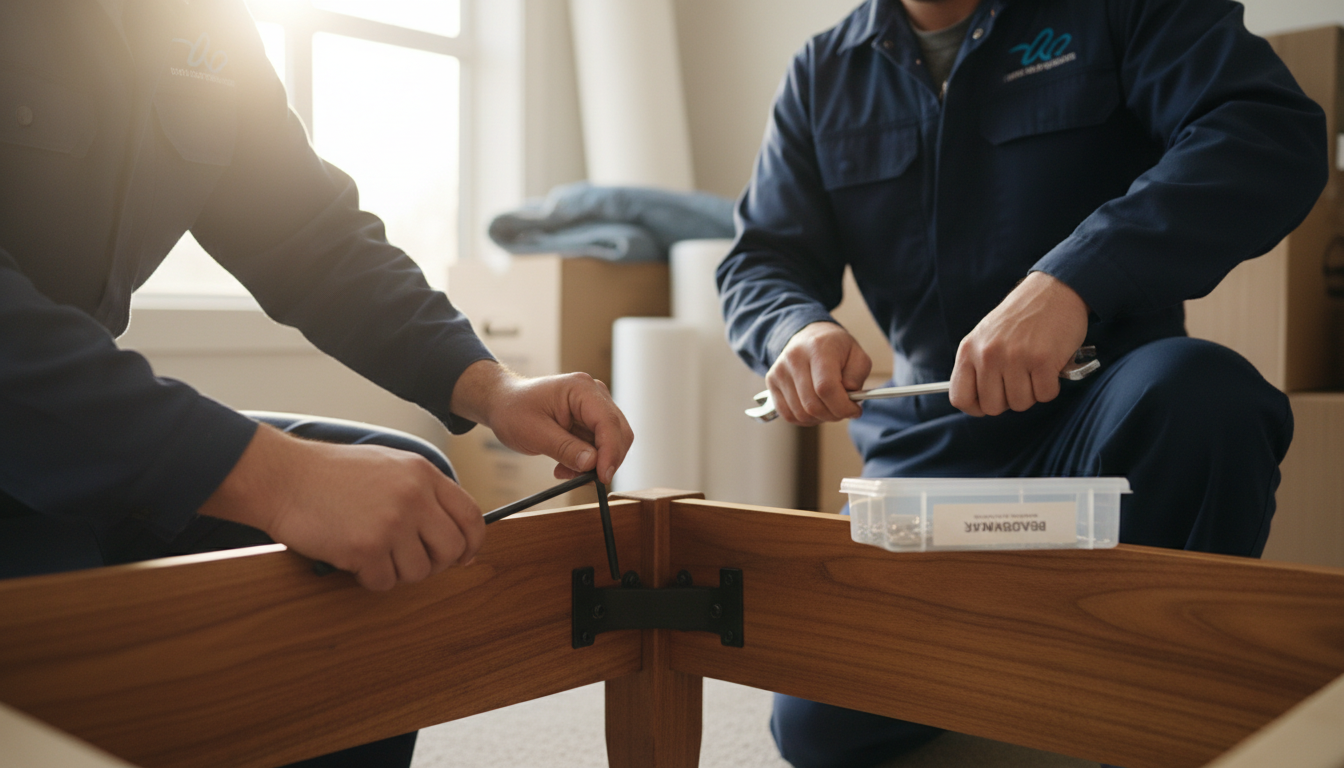
Next, clean your furniture thoroughly. Dust and dirt can scratch surfaces during the move. If your furniture can be disassembled, do so, as it will make transportation easier and reduce the risk of damage.
Gathering the Right Packing Materials
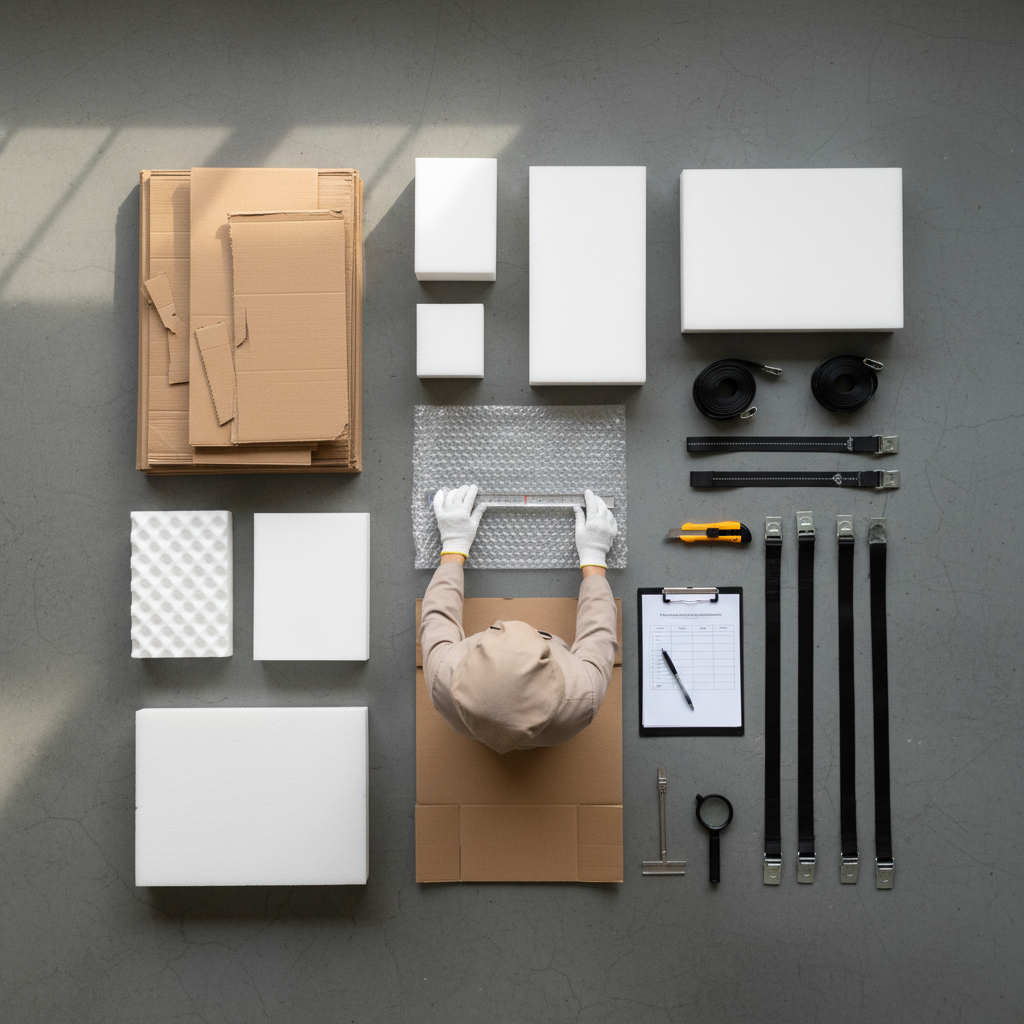
Using the right packing materials is crucial. You'll need strong boxes, bubble wrap, packing tape, and furniture blankets. For delicate items, consider using corner protectors to prevent any accidental damage.
Wrap each piece of furniture in bubble wrap or furniture blankets. Secure the wrapping with packing tape, making sure not to place tape directly on the furniture's surface to avoid leaving marks.
Labeling and Organizing
Label each wrapped piece clearly. This will help movers know how to handle it and where it should be placed in the moving truck. If you've disassembled furniture, keep all screws and small parts in labeled bags and tape them to the corresponding piece.
Creating an inventory list with labeled items will also aid in keeping track of everything throughout the moving process.
Techniques for Lifting and Moving
Proper lifting techniques are essential for preventing injury. Always lift with your legs, not your back, and consider using moving straps for added support. It's also wise to recruit help, whether it be friends or professional movers, to ensure safety.
For larger pieces, use furniture dollies to ease the process. Ensure pathways are clear to avoid tripping hazards and potential damage to both furniture and your home.
Securing Furniture in the Moving Truck
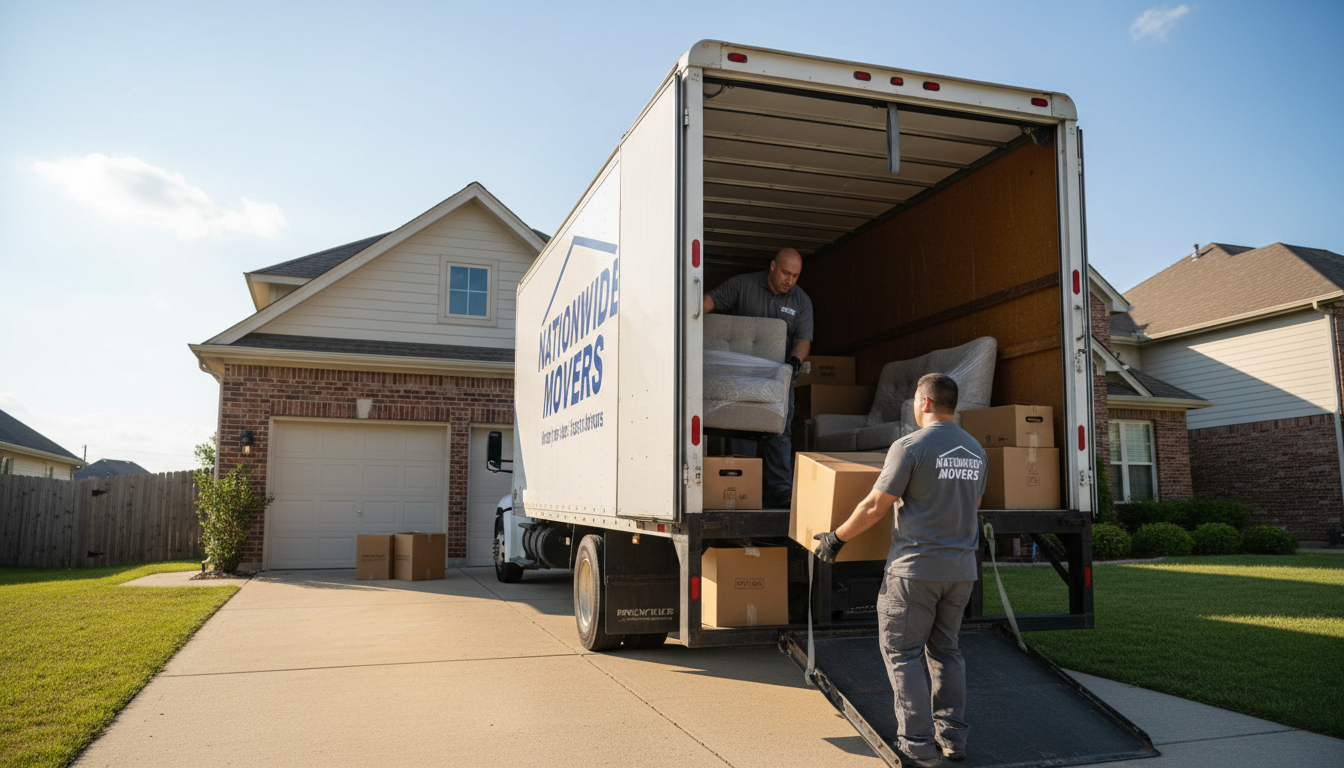
Once everything is packed and ready to go, it’s important to secure your furniture in the moving truck. Use ropes or straps to tie down larger pieces to prevent shifting during transit. Place heavier items on the bottom and lighter items on top.
Ensure that items are snugly fit to minimize movement, reducing the risk of damage.
Settling into Your New Space
Upon arrival, inspect each piece for any potential damage incurred during transit. Check off items from your inventory list to ensure everything has arrived safely.
Begin reassembling any disassembled furniture, following the labels and instructions you prepared before the move. Take your time to ensure everything is put together correctly.
Final Tips for a Smooth Move
Plan your moving day carefully and allow plenty of time for each step. Rushing can lead to mistakes and potential damage. If you're unsure about handling certain pieces, seek professional advice or hire expert movers.
Moving can be stressful, but with the right preparation and techniques, your furniture will arrive safely and ready to complement your new home.